
Protecting our people.
Safeguarding our environment.

“For safety is not a gadget but a state of mind.”
– Eleanor Everet
The health, safety and wellbeing of our workforce, together with the protection and sustainable development of our operating environment, are fundamental to the way we do business.
At Moni Pulo Limited, HSE is not simply a compliance obligation; it is an integral part of our operational culture, decision-making and commitment to responsible energy production.


From our inception nearly three decades ago, we have pursued an integrated Health, Safety and Environment (HSE) management approach designed to prevent harm, manage operational risks, protect the environment and continually improve performance. This approach is supported by leadership commitment, workforce participation and the application of recognised management systems and good industry practice.
6 Million Man-Hours
WITHOUT A LOST TIME INJURY | MONI PULO AGBANI FPF | OCTOBER 2026
The commitment over the years since its inception has earned the company various HSE milestones and currently achieving over 6 million NLTI on our offshore and onshore facilities.
Our Core HSE Principles
We believe that good Health, Safety and Environmental (HSE) performance is an integral part of efficient and profitable business management and Moni Pulo strives to be a leader in health and safety practices and in environmental standards. Therefore we intend to improve our HSE performance on a continuous basis, and be guided by the following principles:-
There will be Zero Accidents, No Harm to our people and we will do No Damage to the environment.
Provide Safe and Healthy Operations
We will create a working environment where accidents do not occur and in which employees, contractors and the public will not be exposed to health hazards. Our employees and site contractors will be trained in workplace health and safety, and encouraged to adopt a healthy lifestyle.
Progressive Improvement in Our Environmental Performance
We will protect the environment by seeking to minimise the impact of our activities. We will ensure progressive improvement in the environmental performance of our facilities by reducing emissions, wastes and the use of energy. New facilities and plant will apply the best available pollution control methods that are commercially viable.
Performance measurement
We will measure our HSE performance on a continuing basis against objectives established regularly for Moni Pulo sites.
We will have due regard for the concerns of employees, contractors, and the public in establishing our HSE standards and performance targets.
Moni Pulo Limited maintains a structured programme of regulatory compliance monitoring and engagement to support the safe, responsible and compliant delivery of its operations. On an annual basis, we review applicable regulatory obligations, monitor compliance status, coordinate inspections and engagements, track regulatory submissions and maintain oversight of actions arising from regulatory interactions. Findings and action items are followed through to closure, with the objective of promoting transparency, accountability and continual improvement.
Our regulatory engagement includes the relevant authorities and agencies, including:
- Nigerian Upstream Petroleum Regulatory Commission (NUPRC) — Upstream petroleum operations, facility and operational requirements, and applicable HSE regulatory obligations.
- National Oil Spill Detection and Response Agency (NOSDRA) — Oil spill preparedness and response obligations, reporting requirements and environmental incident-related compliance.
- Federal Ministry of Environment (FMEnv) — Applicable environmental approvals, permits, monitoring and environmental management obligations.
- Nigerian Civil Aviation Authority (NCAA) — Applicable aviation and helideck safety requirements relevant to offshore logistics and operations.
Through this planned and ongoing engagement, we seek to maintain regulatory alignment, identify gaps early, address emerging requirements and demonstrate responsible operational stewardship.
Our occupational HSE focus is centred on preventing work-related injury and ill health through effective hazard identification, risk assessment, safe systems of work, competence and awareness, workplace monitoring and active workforce participation. We promote individual responsibility and shared accountability, recognising that a strong safety culture depends on everyone having the confidence and support to speak up, intervene when conditions are unsafe and report hazards.
We also recognise the importance of occupational health and wellbeing in sustaining a capable and resilient workforce. Our management approach gives consideration to fitness for work, exposure prevention, welfare and the health risks associated with the operating environment.
Environmental protection is embedded in our operational planning and performance oversight. We work to prevent pollution, minimise waste, manage emissions and discharges in accordance with applicable requirements, and maintain preparedness to respond effectively to environmental incidents. We seek to identify and manage environmental risks throughout our activities, while promoting responsible resource use and continual improvement in environmental performance.
Our approach recognises that sustainable operations require consistent attention to environmental controls, regulatory compliance, emergency readiness and the responsible management of impacts associated with our facilities and activities.
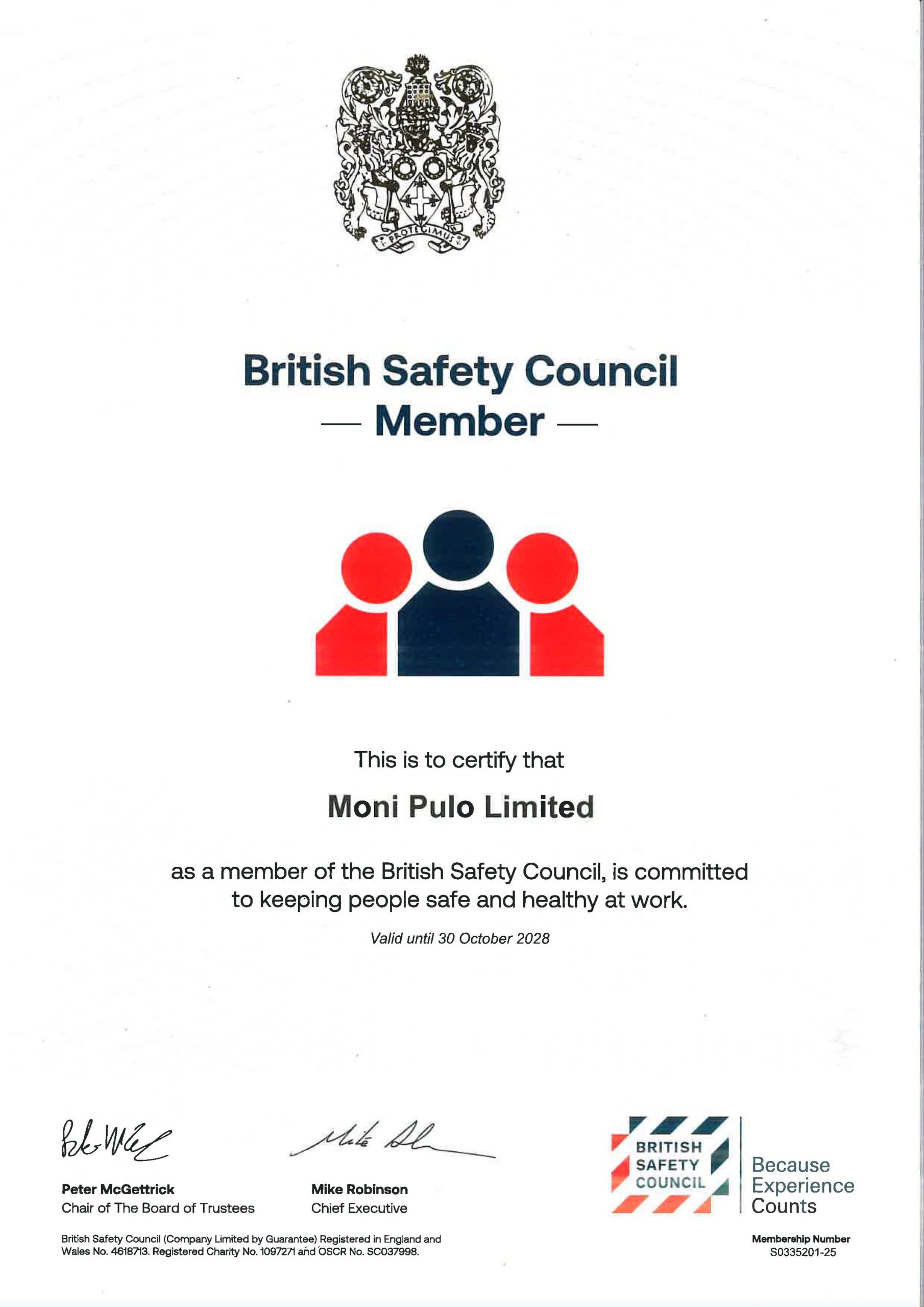
MPL maintains its subscription and membership with the British Safety Council and Clean Nigeria Associates (CNA) as part of its commitment to professional development, industry engagement and the continuous strengthening of HSE practices. These affiliations support our efforts to remain connected to relevant HSE knowledge, good practice and collaborative industry initiatives.
We view HSE performance as a continuous journey. We will continue to review our systems, strengthen operational assurance, learn from experience and engage our workforce and relevant stakeholders to support safe, reliable and environmentally responsible operations.
- Maintain visible leadership commitment and active workforce participation in HSE.
- Identify hazards early and ensure risks are assessed and controlled before work begins.
- Maintain the integrity of facilities and safety-critical equipment through appropriate assurance.
- Strengthen process safety barriers and the management of major accident hazards.
- Sustain emergency preparedness and response capability for operational and environmental scenarios.
- Monitor regulatory obligations, close out actions and maintain constructive engagement with regulators.
- Promote occupational health, competence, learning and a positive safety culture.
Continually improve environmental performance and prevent pollution.